
Why Aide?
Governance without the guesswork.
Local democracy runs on information, and local government is drowning in it. Aide analyses and distills the detail so people can focus on the decisions.
Aide is AI-enabled council software built only for New Zealand local government. It reads council agendas, reports and plans, compares them with earlier meetings and adopted plans, and tells you what is on track, at risk, unmeasured or missing. Every finding cites a page or item number. It never recommends a vote.
Too much information. Too little visibility.
Every month, New Zealand’s local councillors receive thousands of pages of agendas, reports, financial projections and operational updates. They are legally accountable for the decisions buried inside those pages.
Regulatory compliance demands transparency. But as a result, what is genuinely important often disappears into a fog of detail.
Council staff work hard to compile this information and put the right facts on the public record. Yet when every minor operational update sits alongside the detail that really matters in a pack of hundreds of pages, the sheer volume obscures the risk. Journalists and citizens wade through the same documents trying to understand how rates are spent and how their communities are shaped.
The system relies on an impossible premise: that human memory and attention can perfectly process, track and cross-reference a relentless deluge of complex text.


Follow-ups slip off agendas
A promised report or action quietly stops appearing, and nobody notices.
Risks are filed, not mitigated
A risk is recorded once, then isn’t followed up.
Context is lost between meetings
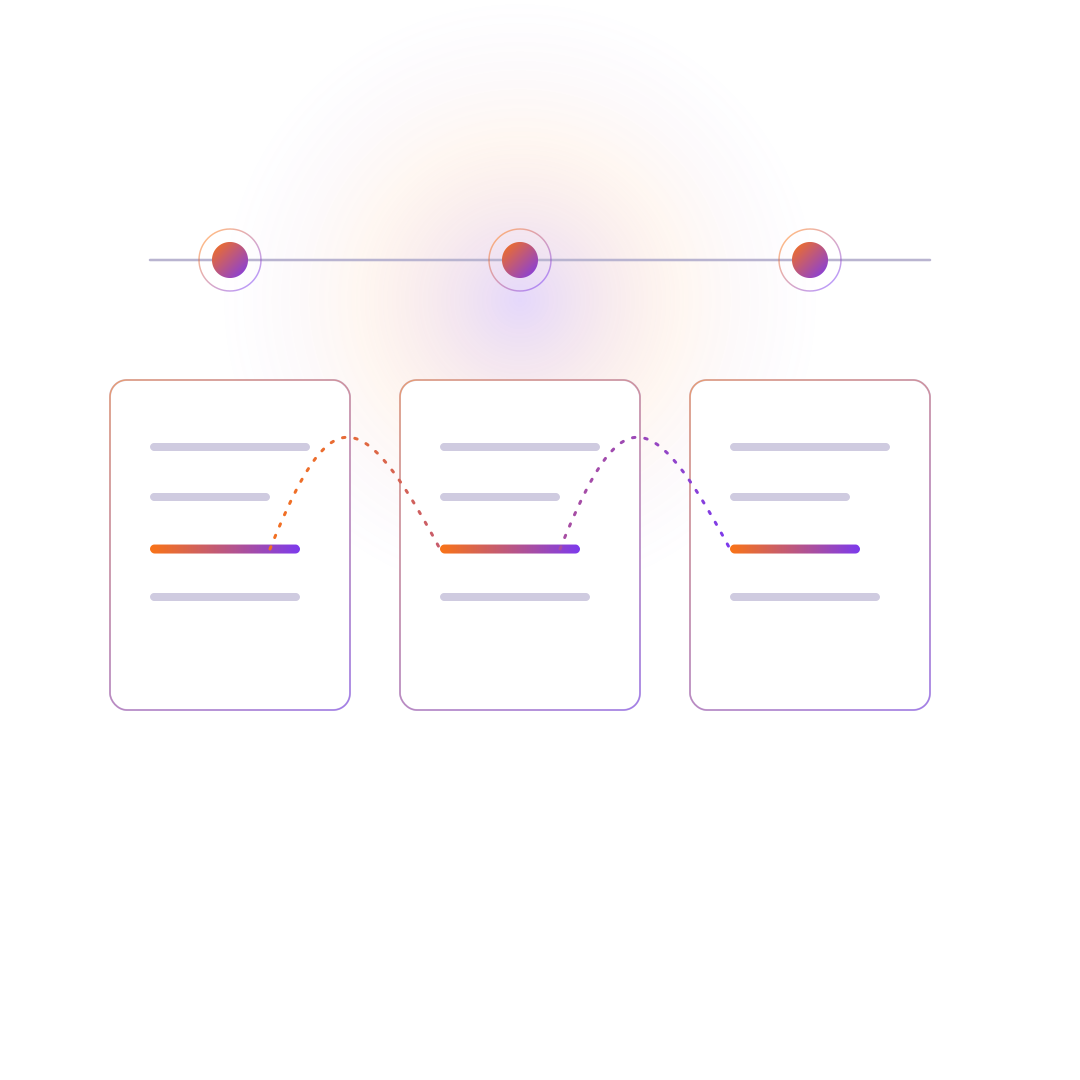
What was promised three meetings ago is hard to line up with today’s papers.
Volume hides what matters
The detail that needs attention sits among hundreds of items that don’t.
Aide was built to close that gap.
Why AI?
We don’t need AI to make decisions for us. We need it to give us the visibility to make those decisions ourselves.
Public conversation about AI often focuses on generating new, creative content, and many New Zealanders are wary of it. Critics point to AI hallucinations, the habit of stating something that isn’t true. Fair enough. But humans make mistakes too. In local government, the answer isn’t software that invents things. It’s software that synthesises what is actually on the page.

Why purpose-built for New Zealand councils?
You can use a general chat AI such as ChatGPT or Gemini to read an individual agenda. But a general-purpose tool isn’t built for the job of overseeing a New Zealand council.
| General chat AI | Aide | |
|---|---|---|
| Knowledge of NZ local government | Learned from the whole internet. Very little of it is about NZ councils. | Built exclusively around NZ local government and its Long-Term Plan and Annual Plan cycle. |
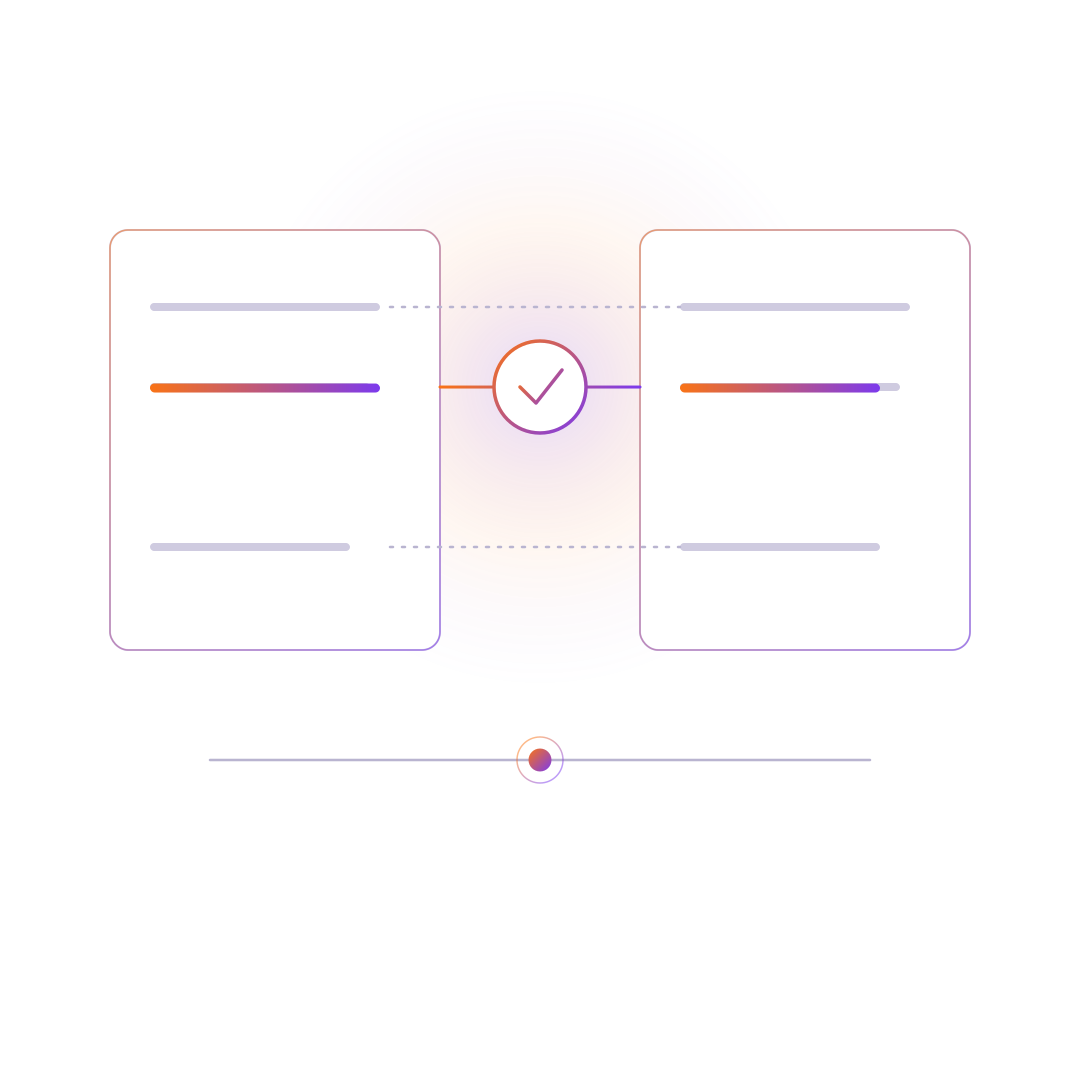
| Memory of your council | None. Each chat starts from scratch. | Cross-checks earlier briefs for the same council and committee, and adopted plans once loaded. |
| Style of answer | Designed to sound smooth and conversational, even when the answer isn’t quite right. | Structured brief: tracking, at risk, unmeasured, questions, what you’re endorsing. |
| Evidence | May or may not point to a source. | Cites the page or item number for every finding. If a point can’t be cited, it isn’t included. |
| Gaps and uncertainty | Often papered over. | Flagged as gaps, not treated as proof. |
Aide is constrained and context-aware. When it flags a financial risk or a commitment that dropped off the agenda, it points to the exact page and item number in your council’s public documents. It shows its work, because in local government the source text is everything.

A tool for the whole ecosystem
One set of public documents, three ways to use it.


For councillors
Clarity and verification
Governance is your job. Hunting through hundreds of pages for what really matters shouldn’t take up the time you need to think, question and decide. Aide respects your role as decision-maker. It doesn’t tell you how to vote. It highlights the critical detail, tracks commitments over time, and gives exact page references so you can verify the details and ask the right questions at the table.
For council staff
A safety net, not a snare
Bureaucracies are complex, and despite the best intentions of hard-working staff, administrative gaps happen. Aide isn’t an auditor looking to catch people out. It’s a structural safety net that surfaces promised reports that fell off the agenda and missing follow-ups before the meeting, so the work staff put into identifying risks results in action.
For media and communities
Speed to insight
Journalists and engaged ratepayers are a democratic safeguard, but they are often time-poor and under-resourced. Aide cuts the hours needed to read council agendas, so they can track historical context, find what really matters, and ask informed questions about community outcomes.
What Aide does and doesn’t do
Aide tells you
- What’s on track
- What’s at risk
- What’s missing or unmeasured
- What you’re really being asked to vote on
Aide never
- Recommends a vote
- Gives legal advice
- Offers political opinions
- Reads public-excluded (PX) papers
Aide can’t tell you why a council made a decision, only what is on the public record. Read Aide’s standpoint →
Frequently asked questions
What doesn’t Aide do?
Aide doesn’t read public-excluded (PX) papers, and it doesn’t give legal advice or political opinions. It never recommends a vote. It also can’t tell you why a council made a decision, only what is on the public record.
How does Aide help councillors do their job?
Councillors are accountable for council decisions, but nobody can reliably read and cross-reference thousands of pages a month. Aide reads the public papers for you and reports what is on track, what is at risk, what is unmeasured or missing, and what you are really being asked to vote on. Every finding cites a page or item number, so you can check it and ask better questions at the table.
How does Aide handle data security and privacy?
Aide analyses only the public documents you give it. Those source documents are deleted once your brief is created; your briefs stay in your account. Documents are processed by AI models under zero-retention terms, so your material is not kept by the model provider or used to train AI models. Read the full Privacy policy.
Is Aide the same as using ChatGPT or Gemini?
No. General chat AI can summarise a single agenda, but it doesn’t know your council’s earlier meetings or adopted plans, and it is designed to give a smooth answer even when the answer isn’t exactly right. Aide is built only for NZ local government and cites a page or item number for every finding. If a point can’t be cited, it isn’t in the brief.
Can council staff and journalists use Aide?
Aide is built first for councillors. Staff and journalists can use it on the same public documents to see what’s tracking, at risk and missing. Contact us to talk about council-wide or newsroom use.